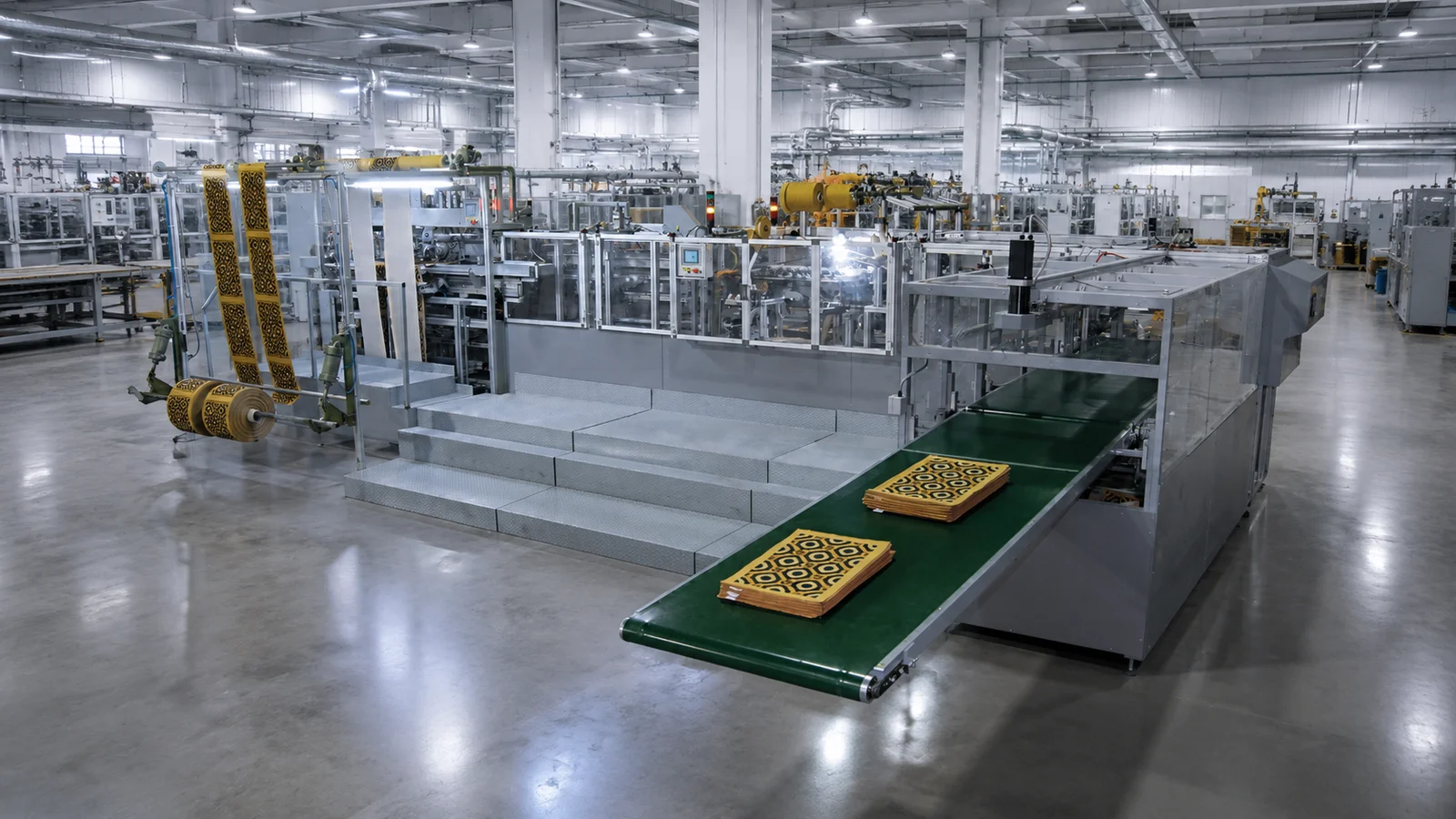
Control in every cut. Harmony in every step.
Rethink the final steps of carpet production. Automation suited to your product, from cutting to edge finishing.
A better finish starts with connected steps.
Founded in Gaziantep in 2026, MMAgetron focuses on the finishing needs of the carpet industry. Your product, production setup and goals are our starting point.
About usKeep production moving.
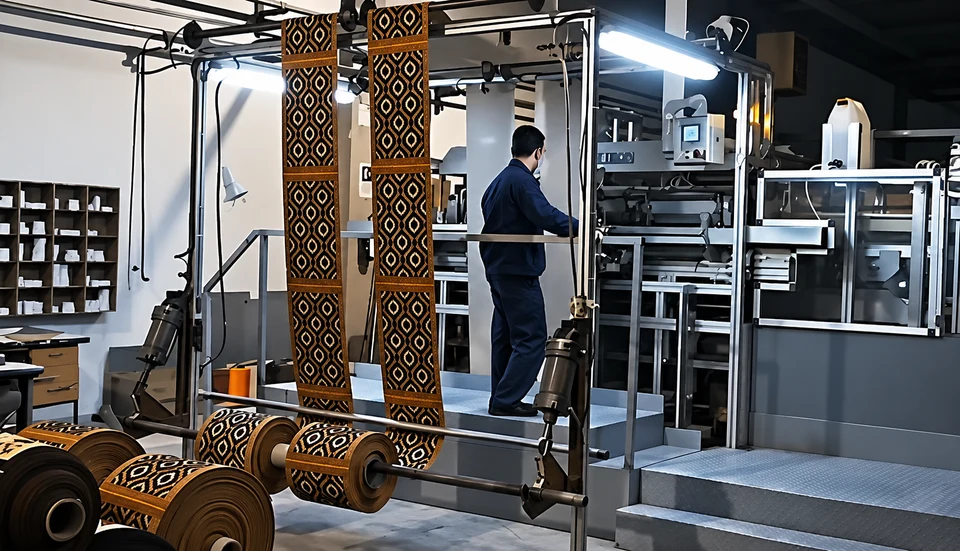
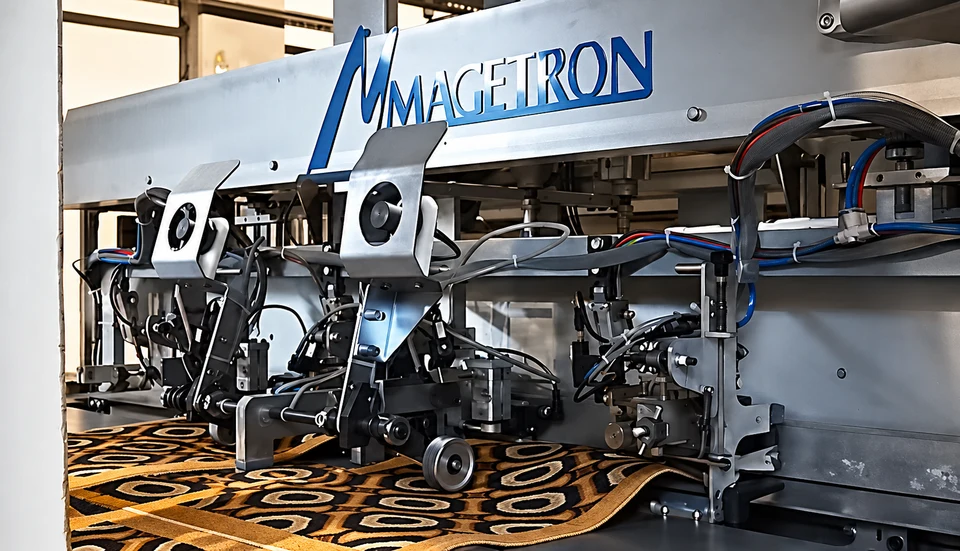
Separate steps. One connected process.
For rugs and carpets, LAMBDA integrates centring, dimensioning, cutting, trimming, labelling, sewing and stacking.
- Centring
- Dimensioning
- Cross cutting
- Edge trimming
- Labelling
- Sewing
- Stacking
Let your material guide the cut.
ZETA offers centring and sensor-controlled length slitting for rugs and carpets. The M100 catalogue specifies four detection options and 1–9 cutting heads.
Detection options shown are for M100; selection depends on the product and line configuration.
Every detail prepares the next step.
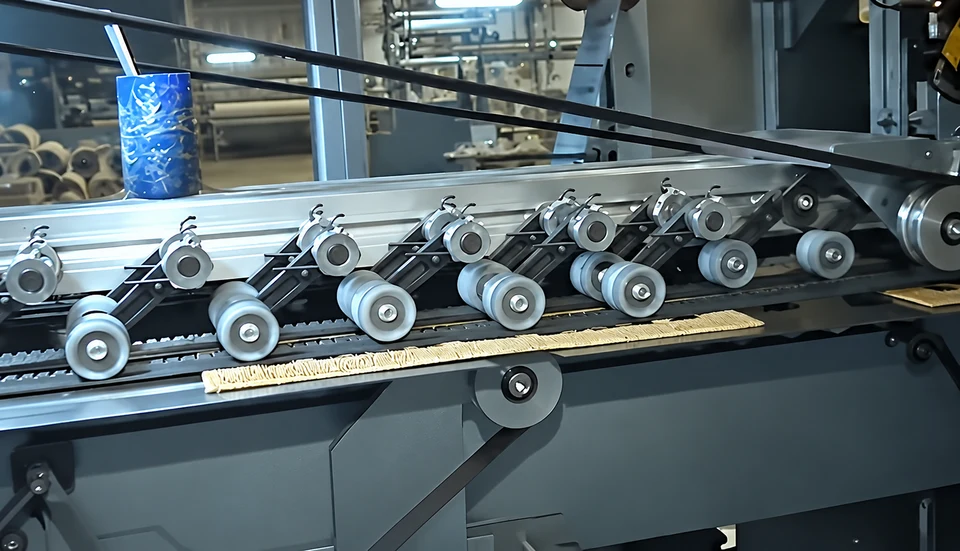
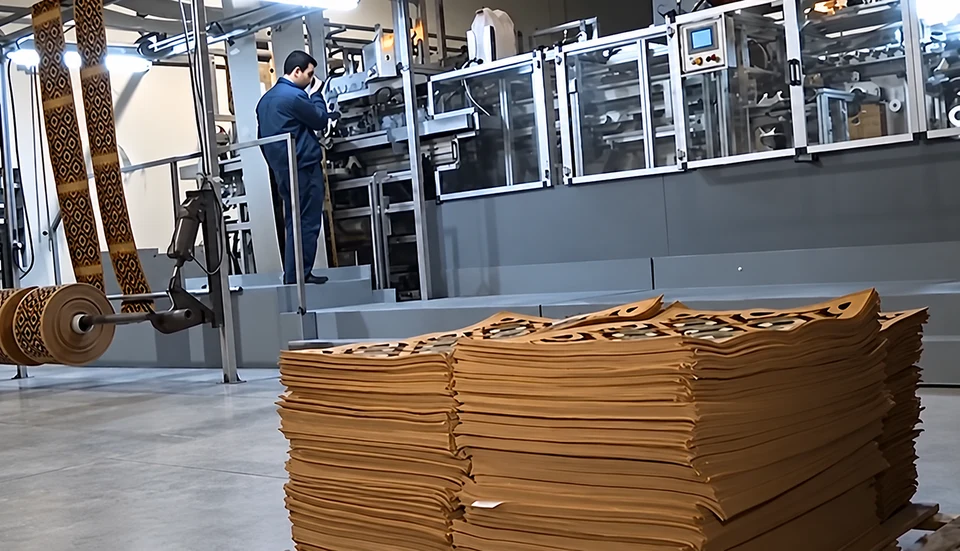
Enhanced frames from the supplied production video.
Years pass. The machines’ story continues.
The Wotol listing screenshots include Magetron machines with production years of 1988, 1989, 1991 and 1998. A different perspective on choosing equipment for the long term.
The supplied screenshots show production years; they do not document continuous operating time.
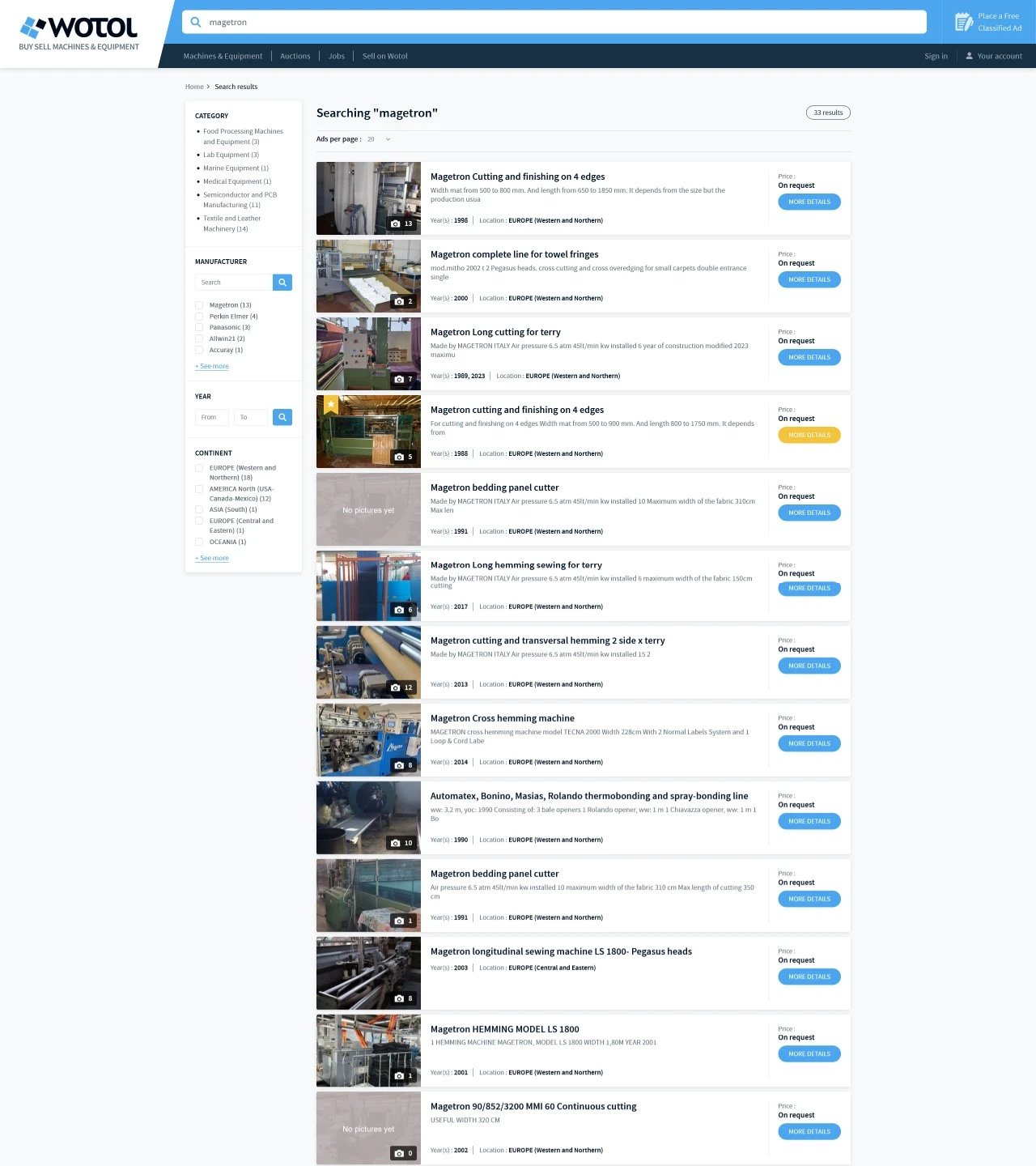
The right line. The right calculation.
Staffing, capacity, energy and layout. Let’s evaluate your investment using data for your product.
Let’s discuss your productionHow many operators are needed?
Staffing depends on the product, feeding method and line layout. A comparison with your current line needs the same product and shift conditions.
How are capacity and energy savings calculated?
Product size, stitch type, working time and current consumption form the baseline. A quotation uses manufacturer-confirmed figures for the selected configuration.
What are the cutting tolerance and waste rate?
Detection is selected for the material. Millimetre tolerances and waste targets should be established through acceptance testing on product samples.
What can a narrower working width offer?
Layout, working width and service clearance are considered together. Space and energy benefits require comparing the dimensions and consumption of both configurations.